Introduction: The New Creator Economy on YouTube in 2026
Making a living on YouTube in 2026 is fundamentally different from what it was just a few years ago. The modern creator economy has matured beyond simple AdSense monetization into a complex, multi-stream digital business ecosystem. Today, successful YouTubers do not operate merely as hobbyist videographers—they operate like agile, modern media companies. They systematically blend algorithmic distribution, high-value viewer monetization, direct-to-consumer digital products, programmatic brand sponsorship pipelines, recurring membership models, and AI-accelerated content production workflows.
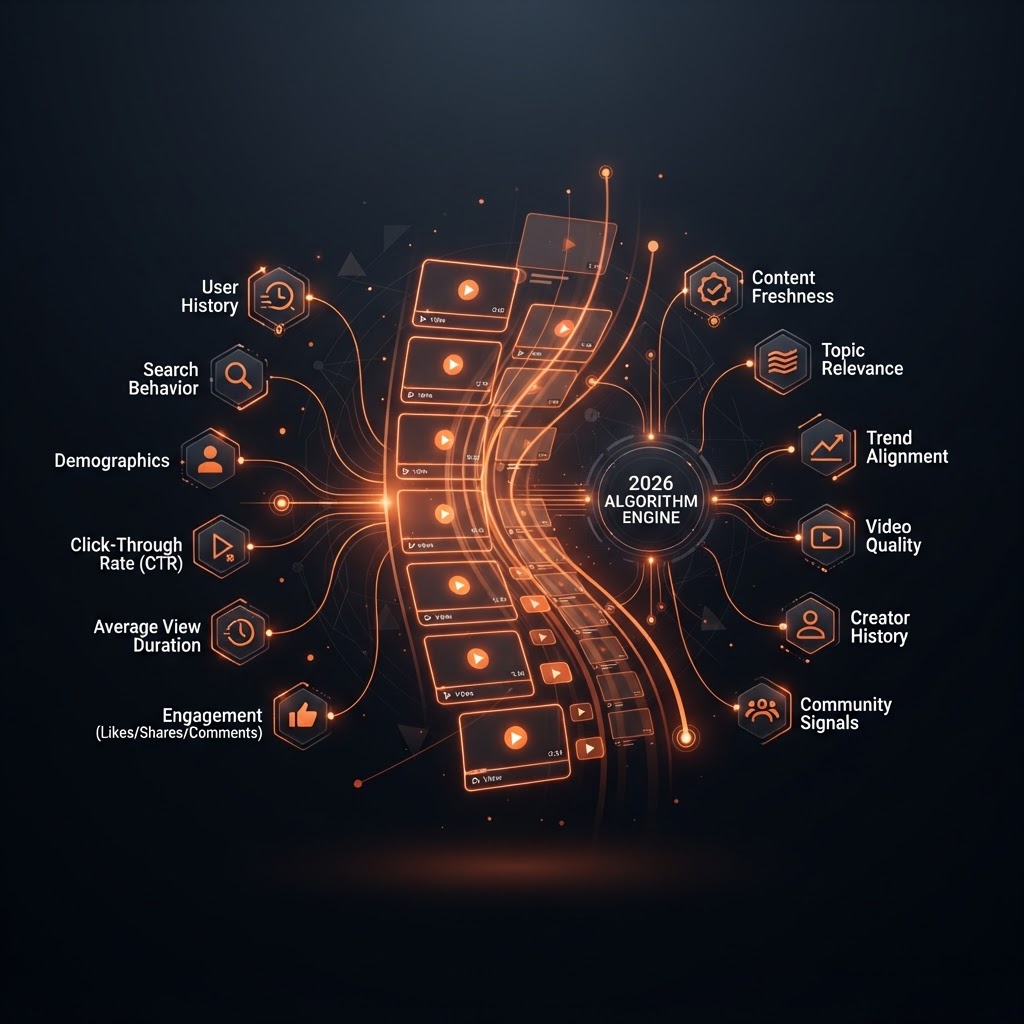
Whether you are starting from complete scratch with zero subscribers or looking to scale an established channel into a sustainable six-figure media enterprise, learning how to make money on YouTube requires a strategic, data-driven methodology. The platform recommendation algorithm in 2026 places unprecedented emphasis on deep viewer satisfaction metrics, long-term session retention, high click-through rates (CTR), and multi-format content journeys that seamlessly bridge YouTube Shorts, long-form video uploads, live streaming events, and Community tab interaction.
The monetization landscape has also broadened significantly. Passive ad revenue through Google AdSense is now just one piece of a much larger income puzzle. Top creators build resilient financial engines by surrounding their core content with direct fan funding, affiliate marketing funnels, physical and digital product lines, B2B agency services, and automated content repurposing networks.
In this comprehensive, ultimate masterclass guide for 2026, we will unpack every single proven monetization vector available to modern video creators. You will discover exact requirement thresholds for the YouTube Partner Program, real-world CPM and RPM calculations across major niches, brand sponsorship pricing formulas, automated affiliate strategy blueprints, direct community monetization models, high-converting digital product funnels, and how state-of-the-art AI creative tools can triple your production output while halving your creative workload.
Key Strategic Takeaway for 2026: Creators who rely 100% on YouTube AdSense ad revenue remain highly vulnerable to CPM fluctuations, seasonal advertiser spend shifts, and sudden algorithmic turns. Diversifying your business across at least 3 distinct monetization streams is the absolute foundation of sustainable financial independence on YouTube.
1. Understanding YouTube Partner Program (YPP) Eligibility Requirements
The primary gateway to official native monetization on YouTube is the YouTube Partner Program (YPP). YouTube utilizes a flexible, tiered YPP eligibility structure designed to empower growing channels by unlocking direct fan-funding capabilities early in their journey before full ad monetization becomes accessible.
The Tiered YPP Architecture in 2026
Understanding the distinction between Tier 1 (Early Access) and Tier 2 (Full Access) allows creators to map out immediate short-term financial goals as they build their subscriber base.
| Monetization Tier | Subscriber Requirement | Watch Time / Shorts Criteria (Past 12 Months / 90 Days) | Native Features Unlocked |
|---|---|---|---|
| Tier 1: Early Access (Fan Funding) | 500 Subscribers | 3,000 Valid Public Watch Hours (Long-form) OR 3 Million Public Shorts Views (Past 90 days) | Super Thanks, Super Chat, Super Stickers, Channel Memberships, YouTube Shopping Store Integration |
| Tier 2: Full YPP Access (Ad Revenue) | 1,000 Subscribers | 4,000 Valid Public Watch Hours (Long-form) OR 10 Million Public Shorts Views (Past 90 days) | Watch Page Advertisements, Shorts Feed Advertisements, YouTube Premium Revenue Sharing |
Detailed Qualification Rules and Public vs. Private Views
It is crucial to understand how YouTube counts metrics toward these thresholds. Not all video views contribute to your official YPP watch hour meter:
- Valid Public Watch Hours: Only watch time accumulated on public long-form videos counts toward the 3,000 or 4,000 watch hour thresholds. Watch time accrued from unlisted videos, private videos, deleted videos, ad campaigns (Google Ads views), or YouTube Shorts does not count toward long-form watch hour requirements.
- Public Shorts Views: Shorts view counts only qualify if they are public views generated within the last 90 calendar days. Shorts views viewed as long-form videos do not double-count.
- Consistent Upload History: Candidates applying for Tier 1 must also have published at least 3 valid public uploads within the last 90 days.
Baseline Prerequisites for Channel Approval
Meeting raw numerical thresholds is only the first step. Once reached, your channel undergoes an automated and manual human review by YouTube policy compliance staff. Your channel must strictly maintain compliance across four foundational pillars:
- 2-Step Verification Active: The primary Google Account managing your channel must have multi-factor security enabled to safeguard against channel hijacking and unauthorized account access.
- Zero Active Community Guidelines Strikes: Your channel must maintain a clean administrative record. Channels with active strikes for hate speech, harassment, graphic safety violations, or misinformation will be denied entry until strikes expire.
- Approved Google AdSense Account Linkage: You must link an active, fully verified Google AdSense account to your YouTube channel to clear revenue payouts. Google strictly limits individual creators to one single AdSense account across all personal properties.
- Original and Reused Content Policies: This is the single most common reason channels are rejected in 2026. YouTube actively demonetizes or rejects channels that upload low-effort auto-generated content, unedited movie clips, screen-recorded gameplay without original commentary, re-uploaded compilation videos, or mass-produced synthetic content that lacks significant human transformation, artistic commentary, or educational value.
2. Demystifying Ad Revenue: CPM vs. RPM and Niche Economics
Ad revenue remains the baseline passive income driver for monetized creators. However, vast economic disparities exist between what advertisers pay to show ads on your videos and what actually lands in your bank account per 1,000 views.
Decoding CPM, RPM, and eCPM Mechanics
To optimize your channel earnings when mastering how to make money on YouTube, you must understand the underlying accounting metrics provided in your YouTube Analytics revenue tab:
CPM (Cost Per Mille): The financial cost an advertiser pays for every 1,000 monetized ad impressions displayed on your content prior to YouTube’s revenue cut. CPM varies wildly depending on advertiser competition, industry profitability, target viewer country location, and seasonal demand (such as Q4 holiday shopping spikes).
Playback-Based CPM: The cost advertisers pay for every 1,000 video playbacks where at least one ad was displayed to the viewer.
RPM (Revenue Per Mille): The single most important financial metric for creators. RPM measures your actual total net earnings per 1,000 total views across your entire channel. Unlike CPM, RPM factors in YouTube’s platform revenue split (45% for long-form, 55% for Shorts), non-monetized views (viewers using ad blockers or unmonetized regions), and additional channel revenue streams like YouTube Premium subscription revenue, Super Chats, and Memberships.
The Core RPM Equation:
RPM = (Total Net Earnings / Total Video Views) × 1,000
2026 Average CPM & RPM Benchmark Matrix by Niche
The topic you select directly dictates your earnings ceiling. High-intent B2B and financial topics command massive advertiser budgets, whereas general entertainment content relies on high view volume to generate equivalent revenue. Below is an updated 2026 market benchmark table:
| Content Niche & Niche Focus | Average CPM Range (USD) | Estimated RPM Range (USD) | Primary Advertiser Types & Buyer Intent |
|---|---|---|---|
| Personal Finance, Crypto & Investing | $25.00 – $70.00 | $12.00 – $38.00 | Fintech Platforms, Investment Brokerages, Credit Cards, Banking Apps |
| B2B Marketing, SaaS & Entrepreneurship | $22.00 – $55.00 | $11.00 – $30.00 | Enterprise Software, CRM Tools, Cloud Hosting, Lead Gen Services |
| Real Estate Investing & Wealth Building | $20.00 – $48.00 | $9.50 – $25.00 | Mortgage Lenders, Escrow Services, Commercial Property Tools |
| Technology, AI Tools & Software Reviews | $14.00 – $32.00 | $6.00 – $16.00 | SaaS Platforms, Consumer Tech Brands, VPNs, Cloud Hardware |
| Health, Fitness & Biohacking | $9.00 – $20.00 | $4.00 – $10.00 | Nutritional Supplements, Fitness Equipment, Wearables, Apparel |
| Career Development & Online Learning | $10.00 – $22.00 | $4.50 – $11.00 | Online Learning Platforms, Bootcamps, Resume Services |
| Travel, Food & International Vlogs | $6.50 – $15.00 | $2.80 – $7.50 | Airlines, Hotel Aggregators, Travel Insurance, Luggage Brands |
| DIY, Home Improvement & Crafts | $7.00 – $16.00 | $3.00 – $8.00 | Power Tool Manufacturers, Retail Home Stores, Craft Supply Brands |
| Gaming, Esports & Live Stream Highlights | $3.50 – $9.00 | $1.40 – $4.50 | Gaming Peripherals, PC Hardware, Energy Drinks, Mobile Gaming |
| Entertainment, Reaction & Pop Culture | $2.50 – $7.00 | $1.00 – $3.20 | Mass Consumer Goods, Movie Studios, Mobile Apps, Snack Foods |
Advanced Mid-Roll Placement Optimization
Videos exceeding 8 minutes in duration qualify for manual mid-roll ad placement. Relying solely on YouTube’s auto-placed mid-rolls often leaves substantial ad inventory revenue uncollected. Follow these tactical placement rules to maximize revenue without compromising user experience:
- Strategic Gap Placement: Manually insert mid-roll breaks during natural transition points in your narrative—such as moving between main topic points, slide transitions, or topic chapters.
- Avoid Abrupt Hook Interruptions: Never place an ad break within the first 60 to 90 seconds of a video. Guarding the initial hook prevents immediate viewer bounce.
- Optimal Ad Cadence: Place mid-roll breaks approximately every 3 to 4 minutes on content over 12 minutes long. YouTube’s intelligent ad delivery algorithm will not show every single ad break to every user, but providing more mid-roll slots allows YouTube to dynamically serve ads when a viewer is most engaged.
3. Brand Sponsorships: Landing High-Paying Brand Deals at Any Channel Size
Direct brand sponsorships represent the single most profitable monetization vehicle for intermediate and advanced YouTube creators. Brand deals bypass platform revenue splits entirely, putting 100% of agreed funds directly into the creator’s business account. In 2026, brands allocate billions of dollars specifically to micro-creators (10,000 to 100,000 subscribers) because of their ultra-targeted audience demographics and high community trust.
Understanding Sponsorship Pricing Models and Formulas
To secure consistent brand partnerships, creators must understand how agency media buyers price inventory. The two standard sponsorship execution formats are Integrated Shoutouts and Dedicated Sponsored Videos.
1. Integrated Sponsorship Segment (60 to 90 Seconds)
An integrated segment involves seamlessly plugging a brand sponsor into a non-dedicated, organic video. Industry benchmark pricing ranges between $25 and $50 CPM based on your channel’s 30-day average view baseline per video.
Formula: Sponsorship Rate = (Average Views / 1,000) × Baseline CPM Target
Example Calculation: If your channel averages 25,000 views per long-form upload and operates in the tech review space ($35 CPM baseline):
(25,000 / 1,000) × $35 = $875 per 60-second integration.
2. Dedicated Sponsored Video
A dedicated sponsored video is entirely focused on reviewing, demonstrating, or exploring the sponsor’s product or service. Because dedicated videos command higher viewer focus but may suffer slightly lower total views, CPM pricing benchmarks are significantly higher, ranging from $60 to $120+ CPM.
Example Calculation: For a channel averaging 25,000 views focusing on productivity tools ($80 dedicated CPM baseline):
(25,000 / 1,000) × $80 = $2,000 per dedicated video.
Building a Professional Creator Media Kit
When pitching brands or responding to inbound sponsorship inquiries, presenting a polished digital Media Kit establishes immediate credibility. Your Media Kit should be a concise 2-to-3 page PDF or web page containing:
- Channel Executive Summary: A clear 2-sentence mission statement defining your niche, target audience, and content pillars.
- Core Audience Demographics: Highlighting gender distribution, top viewer age brackets (e.g., 25-34 tech professionals), and primary geographic breakdown (e.g., 65% US/UK/CA viewer base).
- Key Channel Performance Metrics: 90-day total view impressions, average video watch time retention, subscriber growth velocity, and community engagement rate (comments + likes divided by views).
- Past Case Studies & Social Proof: Screenshots of previous brand integrations showing trackable link clicks, coupon redemption volumes, conversion numbers, and positive audience commentary.
- Standard Rate Card: Clear, transparent baseline pricing for single integrations, multi-video package bundles, and short-form cross-posting addons.
Inbound vs. Outbound Sponsorship Pitch Strategy
Do not sit around waiting for brands to email you. Take an active outbound approach using cold email campaigns targeted at Brand Partnership Managers, Influencer Marketing Leads, and PR agencies representing products you already use and love.
Keep cold email pitches under 150 words: highlight a specific video idea, explain why your audience matches their ideal customer profile, present recent performance metrics, and suggest a brief 10-minute discovery call.
4. Mastering Affiliate Marketing on YouTube
Affiliate marketing is the practice of recommending third-party products or software services and earning a sales commission whenever a viewer completes a purchase or sign-up via your unique tracking link. On YouTube, affiliate marketing acts as an engine for converting organic video watch traffic into long-term passive cash flow.
High-Converting Content Archetypes for Maximum Affiliate Revenue
Randomly inserting affiliate links into description boxes yields minimal results. To generate substantial affiliate commissions, structure your content strategy around buyer intent:
- “Best [Category] for [Specific Target User] in 2026”: Example: “Best AI Video Generators for Small Business Owners”. Viewers searching for listicles are actively comparing options with credit cards in hand.
- Direct Head-to-Head Comparisons (“VS” Videos): Example: “Substack vs. ConvertKit: Full Creator Breakdown”. Comparison content targets prospects at the final decision stage of the buying funnel.
- In-Depth “How-To” Problem-Solving Tutorials: Example: “How to Build a Custom Notion Dashboard for Project Management”. When you step through solving a complex workflow using a paid tool, viewers naturally click your link to get the exact tool or template used.
- Long-Term Product Field Tests & Reviews: Example: “I Tested Tool X for 90 Days: Honest Pros and Cons”. Transparent, balanced reviews that detail limitations build authentic authority, driving higher conversion rates.
Top Affiliate Programs for Video Creators
Depending on your niche, choose affiliate platforms with reliable attribution tracking, long cookie durations (30 to 90 days), and competitive commission tiers:
| Affiliate Network / Program | Average Commission Structure | Cookie Duration | Best Content Niche |
|---|---|---|---|
| Amazon Associates | 1% – 10% (Physical Goods) | 24 Hours | Consumer Tech, Gear, Books, Lifestyle |
| Impact.com / CJ Affiliate | 10% – 30% or Fixed Bounty | 30 – 60 Days | Major Brands, Apparel, Travel, Enterprise |
| ShareASale / Awin | 15% – 40% (Digital & SaaS) | 30 – 90 Days | Software, E-commerce, Niche Physical Tools |
| SaaS Recurring Affiliate Programs | 20% – 40% Monthly Recurring | 60 – 90 Days / Lifetime | AI Tools, Software Apps, Hosting, Marketing |
Affiliate Disclosure Compliance & Legal Safety
Regulatory agencies such as the Federal Trade Commission (FTC) mandate clear, conspicuous affiliate disclosures. Always place a explicit written notice at the very top of your video description box above the fold:
FTC Transparency Disclosure: Links included in this description may be affiliate links. If you purchase a product or service through these links, I may receive a small affiliate commission at zero additional cost to you. I only recommend tools and products I personally use and trust. Thank you for supporting the channel!
5. Selling Digital Products, Online Courses, and Premium Services
Direct monetization gives you complete ownership over product pricing, profit margins, and customer data. While AdSense and sponsorships rely on third parties, selling your own digital products converts viewer trust into owned assets.
High-Margin Digital Product Options for Creators
Digital products require zero physical inventory shipping, cost virtually nothing to duplicate, and deliver near 100% profit margins after platform processing fees.
| Digital Asset Type | Average Price Point | Estimated Profit Margin | Target Audience Need |
|---|---|---|---|
| LUTs, Presets, Audio & Video Assets | $15 – $95 | 98% | Creative Workflows, Editing, Photography |
| Notion Dashboards, Excel/Google Spreadsheets | $10 – $49 | 98% | Organization, Productivity, Financial Tracking |
| Niche Ebooks, Playbooks & Resource Guides | $19 – $79 | 95% | Actionable Problem Solving, Learning Curriculums |
| Structured Video Masterclasses & Courses | $99 – $999 | 90% | Comprehensive Skill Transformation |
| 1-on-1 Consulting, Audits & Coaching Calls | $100 – $500 / hr | 100% (Time-based) | Custom Strategy, Personal Feedback, Career Guidance |
Designing a High-Converting YouTube Sales Funnel
To sell digital products without coming across as overly salesy, establish an organic value-first sales funnel:
- Top of Funnel (YouTube Content): Publish free, high-value educational videos addressing broad industry problems.
- Lead Magnet (Free Opt-In): Offer a free downloadable resource (e.g., a PDF checklist, free Notion starter kit, or cheat sheet) in exchange for the viewer’s email address.
- Email Nurture Sequence: Send an automated 5-day email sequence delivering additional educational tips and introducing your paid digital product as the complete solution.
- Core Offer Conversion: Direct interested leads to a high-converting landing page showcasing video testimonials, curriculum outlines, and a money-back guarantee.
6. Channel Memberships, Super Features, and Fan Funding
Direct fan funding enables your core community to fund your creative output on a recurring monthly or per-event basis. Unlocking fan funding transforms casual viewers into invested active stakeholders in your channel’s success.
Optimizing YouTube Channel Memberships
YouTube Channel Memberships allow viewers to join your channel via monthly recurring payments. Structuring clear, valuable membership tiers is key to driving initial signups and reducing churn over time:
- Tier 1: Community Supporter ($2.99 / Month): Grants exclusive custom loyalty badges next to user names in chat, custom channel emojis, and access to members-only Community tab polls and text updates.
- Tier 2: Insider Access ($9.99 / Month): Includes all Tier 1 perks plus early access to main video uploads 24-48 hours before public launch, exclusive members-only live streams, and access to a private Discord server.
- Tier 3: VIP Mastermind ($24.99 – $49.99 / Month): Includes all lower tier perks plus monthly live group Q&A sessions, downloadable project files, and name credits in video end screens.
Super Chats, Super Stickers, and Super Thanks Monetization
Fan funding also thrives on immediate interactive recognition during livestreams and uploaded content:
- Super Chat & Super Stickers: Live stream viewers purchase highlighted messages and visual stickers that stick to the top of the chat window for a set time depending on donation amount. Creators who actively acknowledge and answer Super Chat questions in real-time drive massive chat engagement.
- Super Thanks: Viewers watching pre-recorded long-form videos or Shorts can purchase a visual Super Thanks animation to express gratitude, posting a highlighted custom comment in the video comment section.
7. YouTube Shorts Monetization in 2026: Revenue Sharing and Viral Scale
YouTube Shorts has evolved from a simple short-form experiment into a vital, highly monetized ecosystem. Generating billions of daily views, Shorts offer unmatched viral discovery for channels seeking fast growth.
How the Shorts Revenue Sharing Pool Operates
Unlike long-form videos where ads run directly within specific uploads, Shorts ad revenue is calculated through an aggregated revenue-sharing pool system:
- Ad Revenue Aggregation: Platform ad revenue generated from ads running between vertical videos in the continuous Shorts Feed is pooled together every month.
- Music Licensing Allocation: A portion of the pool pays music publishers based on the number of commercial tracks used across published Shorts. If a Short uses no music, 100% of its view allocation goes to the creator pool.
- Creator Pool Distribution: The total remaining Creator Pool is distributed to monetized creators based on their specific percentage share of total public Shorts views in each respective country.
- Platform Revenue Split: Creators keep 45% of their allocated revenue share, while YouTube retains 55%.
While average Shorts RPMs range between $0.04 and $0.14 per 1,000 views, the volume advantage of Shorts is unmatched. A viral Short generating 10 million views can deliver $500 to $1,400 in direct ad earnings while funneling thousands of new subscribers directly to your core long-form content, digital products, and brand deals.
8. Accelerating YouTube Output with AI Tools (Introducing Jutoka)
In 2026, content creation is no longer about grinding out endless hours of manual labor. Successful creators leverage cutting-edge artificial intelligence to streamline research, writing, optimization, editing, and distribution.
Building an Automated AI-Powered Creator Production Stack
Integrating modern AI automation into your workflow cuts content production cycles from 15+ hours down to under 2 hours per video, enabling creators to scale upload frequencies without experiencing creative burnout.
For end-to-end channel automation—from initial script outlines to metadata optimization and multi-platform short-form content generation—creators turn to Jutoka AI.
Available at jutoka.com, Jutoka offers a comprehensive suite of AI creation tools engineered specifically for video creators and digital marketers. Here is how Jutoka accelerates your YouTube monetization workflow:
- High-Retention Script Generation: Jutoka turns basic ideas or bullet points into fully structured, engaging video scripts complete with high-hook intros, engaging main chapters, and persuasive calls-to-action designed to maximize audience watch time retention.
- Automated SEO Title & Description Optimization: Eliminate guessing games when filling out video metadata. Jutoka generates high-CTR video titles, comprehensive, keyword-dense video descriptions, and targeted tag lists optimized for YouTube’s search algorithm.
- Smart Short-Form Video Repurposing: Automatically extract high-impact hooks from your long-form videos and format them into ready-to-publish vertical Shorts with animated captions, background audio, and engaging visual layouts.
- Thumbnail Concept Generation & Copywriting: Craft compelling visual thumbnail ideas and overlay text designed to maximize click-through rates across crowded user feeds.
By automating repetitive editing and technical packaging tasks with platform tools like jutoka.com, you free up energy to focus on high-level channel strategy, product creation, and audience engagement.
9. Comprehensive Breakdown of Advanced Monetization Strategies
Beyond standard AdSense and sponsorships, experienced creators leverage advanced, high-yielding business models that multiply earning potential per viewer.
1. Licensing Content to Media Outlets
If your channel produces viral news footage, break-through documentary clips, or original educational animations, third-party media outlets (such as TV networks, online news publishers, and digital syndicators) will pay significant licensing fees to use your footage. Partnering with licensing agencies like ViralHog or Jukin Media ensures your viral moments generate ongoing royalty checks.
2. Building a Paid Creator Community
Platforms like Circle, Skool, or Patreon enable creators to build private, invite-only communities. Charging $29 to $99 per month for access to weekly group calls, exclusive mastermind networking, private tutorials, and direct creator access can easily generate $5,000 to $20,000+ in recurring monthly revenue with just a few hundred active members.
3. White-Label Product Dropshipping and Direct-to-Consumer Brands
Once your channel reaches critical mass, launching your own direct-to-consumer (D2C) brand produces far higher profit margins than simple affiliate marketing. Creators in fitness launch supplement lines, tech creators launch custom desk accessories, and culinary channels launch custom spice blends or kitchenware.
10. 7 Common YouTube Monetization Mistakes to Avoid
Even creators who make great videos often fail to build a sustainable income because of strategic blunders. Avoid these seven costly mistakes:
- Relying Exclusively on AdSense Income: Depending solely on ad revenue leaves your income at the mercy of seasonal advertiser budget cuts, CPM drops, and algorithm shifts. Build multiple income streams early.
- Ignoring Search Intent and SEO Basics: Uploading videos with vague, unoptimized titles or empty descriptions prevents YouTube from indexing your content for relevant target search queries.
- Failing to Hook Viewers in the First 30 Seconds: Audience retention curves drop drastically if your video intro is rambling or slow. Craft punchy, immediate hooks that deliver on your thumbnail’s promise immediately.
- Accepting Shady or Low-Quality Sponsorship Deals: Promoting untrustworthy products damages your core audience trust. Once audience trust is broken, long-term channel growth and digital product sales collapse.
- Publishing Inconsistently: Irregular upload schedules make it difficult for algorithms to establish audience viewing habits. Maintain a consistent, sustainable posting cadence.
- Neglecting to Build an Owned Email List: Social platform algorithms change constantly. Failing to capture viewer emails means you do not truly own your audience connection.
- Violating Reused Content and Copyright Policies: Using unedited copyrighted video footage or unlicensed background music risks demonetization, copyright strikes, or total channel termination.
11. The Ultimate 90-Day YouTube Monetization Action Plan
Ready to put these strategies into practice? Follow this structured 90-day action blueprint to launch, grow, and monetize your YouTube business in 2026.
Days 1 – 30: Channel Foundation & Niche Validation
- Select a high-intent, profitable target niche (e.g., personal finance, AI tools, fitness, tech reviews).
- Set up channel assets: professional logo, custom banner art, detailed channel description, and official business email contact.
- Research and select 20 high-volume search topics based on audience intent.
- Script, record, and publish 8 long-form videos using AI script generation tools available at jutoka.com.
- Establish a consistent schedule: publish 2 long-form videos per week alongside 3 supplementary YouTube Shorts.
Days 31 – 60: SEO Optimization & Audience Engagement
- Review YouTube Analytics to analyze retention drop-off points; adjust intro pacing and visual transitions accordingly.
- Apply for relevant, high-quality affiliate programs (Amazon Associates, Impact, specialized SaaS recurring programs).
- Add structured affiliate links, timestamps, and legal disclosures across all video descriptions and pinned comments.
- Engage actively with every viewer comment within the first 2 hours of publishing to signal engagement to the algorithm.
- Reach Tier 1 YPP thresholds (500 subscribers, 3,000 watch hours) to activate Super Thanks and Channel Memberships.
Days 61 – 90: Monetization Scaling & Systems Automation
- Reach Tier 2 YPP thresholds (1,000 subscribers, 4,000 watch hours) to activate full Watch Page AdSense revenue.
- Create and launch your first digital product (e.g., Notion template, ebook, or preset pack) hosted on a custom landing page.
- Assemble a professional Media Kit and begin pitching micro-sponsorship deals to target brand partners.
- Scale production efficiency by leveraging Jutoka AI at jutoka.com to repurpose content into automated multi-platform Shorts.
Conclusion & Final Summary
Building a profitable, sustainable business learning how to make money on YouTube in 2026 is entirely within your reach. Success requires a proven strategy: combine SEO optimization, engaging video execution, audience retention, and multiple income streams including ad revenue, sponsorships, affiliate links, and digital products.
By shifting your mindset from a casual video creator to a strategic digital business owner—and leveraging advanced AI automation tools to handle technical production tasks—you can turn your creative passion into a thriving income stream.
Ready to supercharge your YouTube output, craft viral video scripts, and optimize your channel for maximum growth?